
How to Choose the Right Micron Paint Filters for Different Automotive Paints (80/125/190mic Guide)
A flawless automotive paint finish does not solely rely on premium paint materials and skilled spraying techniques. Paint filtration is the invisible key to eliminating common defects like dust particles, paint lumps, pinholes, and orange peel textures. Choosing the correct micron filter mesh matching different paint viscosities and types can effectively stabilize paint fluidity, prevent spray gun clogging, and deliver a smooth, high-gloss automotive coating effect.
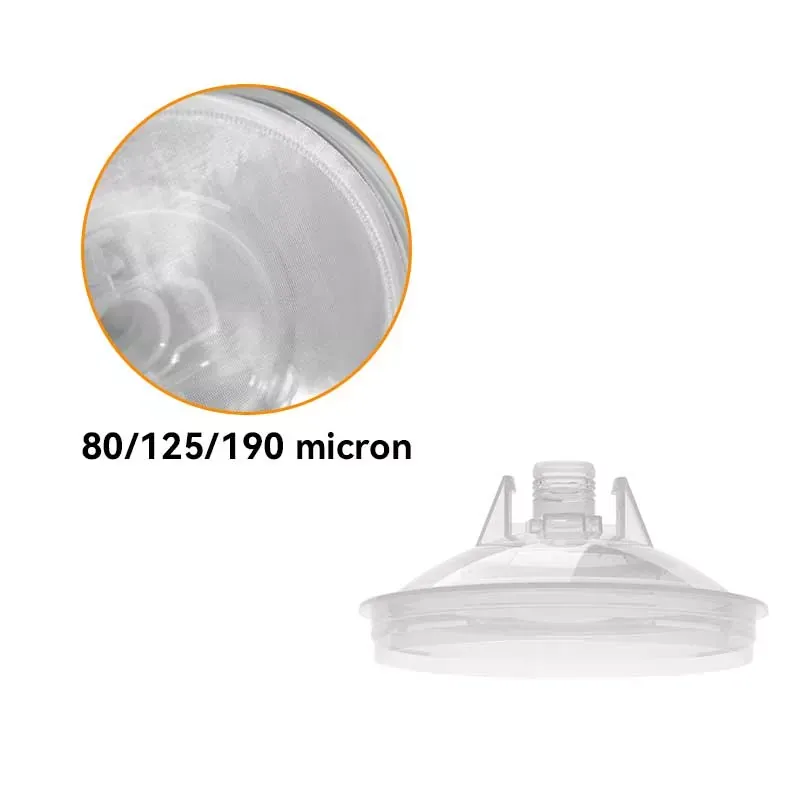
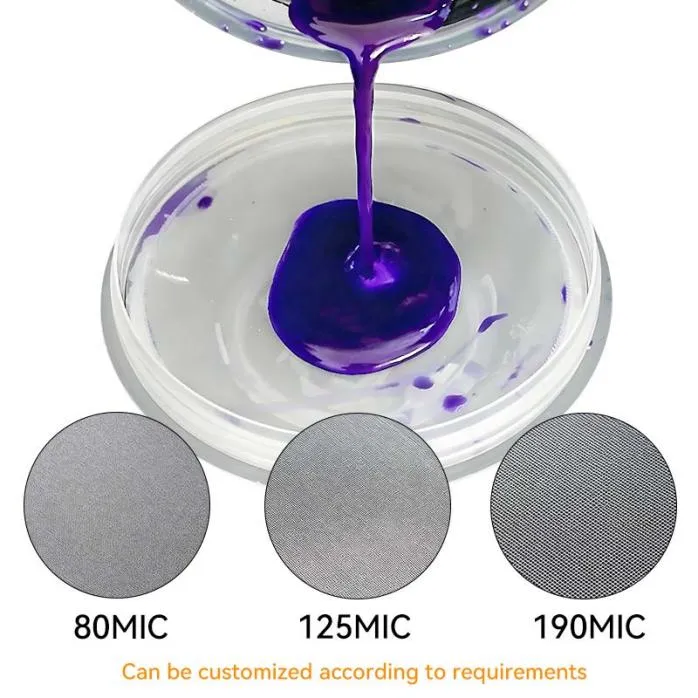
In professional automotive refinishing and factory spraying scenarios, 80mic, 125mic and 190mic filters are the three most versatile and widely used specifications. This guide will elaborate on their unique characteristics and targeted applicable paint types to help painters make precise selections and optimize painting efficiency and finish quality.
1. 190mic Filter: Ideal for High-Viscosity Automotive Primers & Base Materials
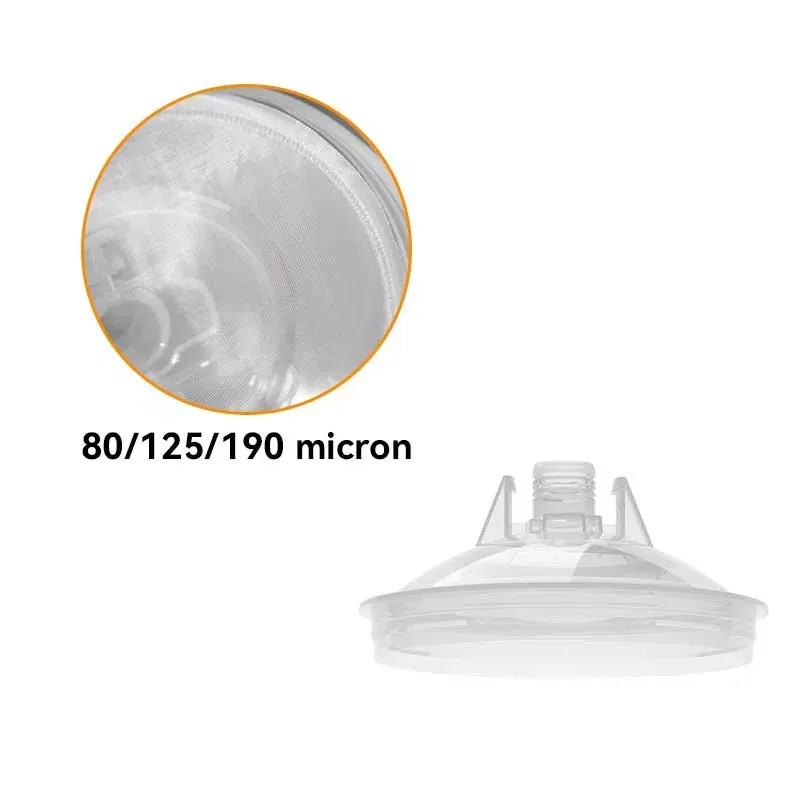
The 190mic filter features the largest mesh pore size among the three specifications, offering ultra-smooth paint flow with minimal resistance. It is specially designed for high-viscosity, thick automotive paints that are prone to clogging with fine filters, making it the top choice for priming procedures.
Applicable paint types:
- Automotive primers, epoxy primers, and anti-rust primers
- Putty, high-thickness sealers, and coarse intermediate coatings
- High-viscosity solvent-based base paints and modified coating materials
In actual operation, primer and putty contain tiny coarse particles and undissolved raw material residues. The 190mic filter can effectively filter out large impurities and paint lumps while maintaining unobstructed paint output, avoiding frequent filter blockage and repeated replacement. It perfectly meets the high-flow demand of base layer spraying, greatly improving the efficiency of primer construction without affecting the adhesion and flatness of the underlying paint layer.
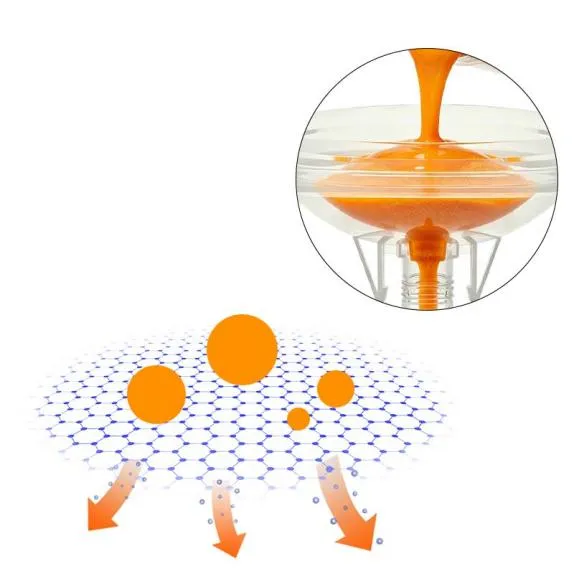
2. 125mic Filter: Universal Choice for Standard Topcoat & Waterborne Paints
Balancing excellent filtration precision and stable paint flow, the 125mic filter is the all-round mainstream specification for automotive refinishing. It is finer than 190mic filters and can intercept finer dust and micro-particle impurities that affect the surface finish, solving the problem of insufficient filtration of coarse filters and low efficiency of ultra-fine filters.
Applicable paint types:
- Waterborne automotive basecoats and environmental protection water-based paints
- Ordinary solvent-based color paints and single-stage topcoats
- General-purpose intermediate coatings and repair coating materials
Waterborne paints and conventional color paints have moderate viscosity and high requirements for surface smoothness. The 125mic filter can fully remove tiny impurities in the paint, effectively preventing fine particle protrusions on the painted surface after curing. Meanwhile, its moderate pore size ensures continuous and stable paint flow, avoiding spraying jitter and uneven paint film caused by excessive filtration resistance. It is suitable for most daily automotive painting and repair projects, striking a perfect balance between construction efficiency and finish quality.
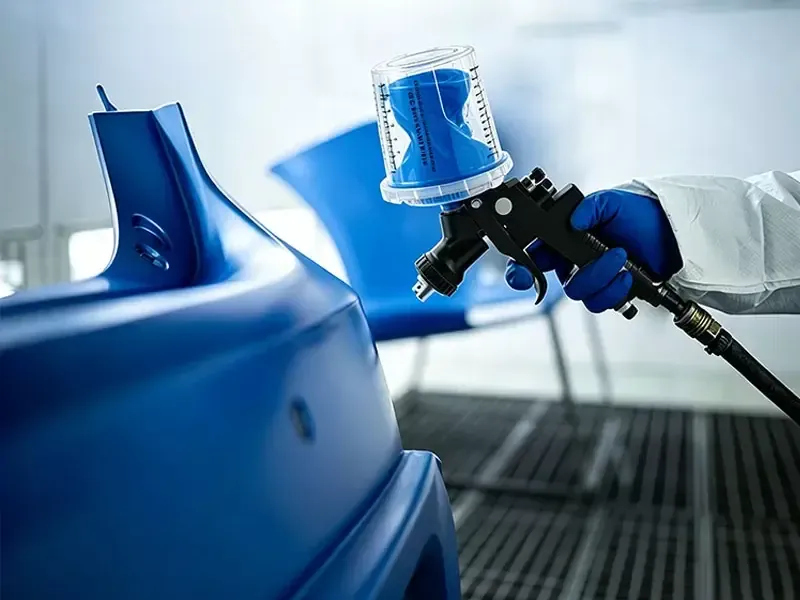
3. 80mic Filter: Ultra-Fine Filtration for High-Gloss Clear Coat & Precision Finishing
As the finest specification in this guide, the 80mic filter delivers ultra-high-precision filtration. It can intercept micron-level tiny dust, suspended particles, and paint skin residues that cannot be filtered by 125mic and 190mic filters, dedicated to high-standard finishing and high-gloss coating processes.
Applicable paint types:
- Automotive clear coats, high-gloss varnishes, and finishing topcoats
- High-grade metallic paints, pearl paints, and delicate color coating materials
- Low-viscosity refined paints for luxury car refinishing and precision repair
Clear coats and metallic pearl paints determine the final gloss, texture, and grade of the automotive paint surface. Even tiny impurities will lead to dull gloss, fine scratches, or spot defects after spraying and curing. The 80mic ultra-fine filter thoroughly purifies low-viscosity fine paints, ensuring an extremely uniform and clean paint film. It is a must-have filter for high-end automotive finishing, effectively realizing mirror-level high-gloss paint effects and improving the durability and appearance grade of the coating.
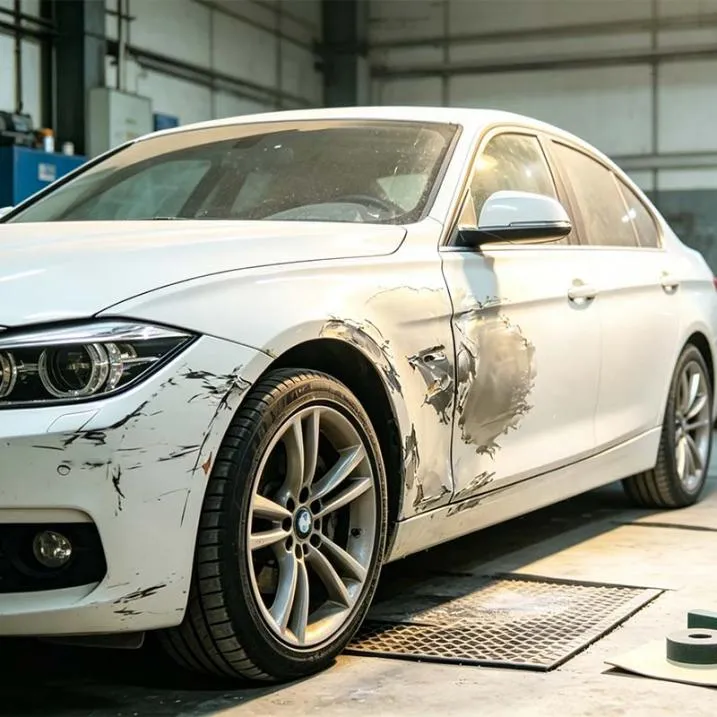
Quick Selection Cheat Sheet for Automotive Paint Filters
To help painters quickly select the right filter in actual construction, we summarize the core matching rules:
- 190mic: High-viscosity primers, putty, thick sealers (priority for high flow and anti-clogging)
- 125mic: Waterborne paints, ordinary color paints, intermediate coats (universal balance for daily construction)
- 80mic: Clear coats, high-gloss varnishes, metallic/pearl paints (high-precision finishing for flawless gloss)
Final Reminder
Matching the micron-level of the paint filter to the type of paint is fundamental to standardization in automotive painting. Blindly using ultrafine filters for high-viscosity paints leads to clogging and material waste; conversely, using coarse filters for topcoats results in substandard paint quality. Mastering the precise selection of 80mic, 125mic, and 190mic filters can effectively reduce rework rates, save paint costs, and achieve consistent, high-quality automotive coating results.
AYSPAT offers custom filter services with varying precision to meet your requirements. Follow AYSPAT for more professional automotive painting techniques, tool selection guides, and coating process optimization suggestions!
Related News
- How Does the 200ML Disposable Paint Cup System 1.0 Transform Automotive and Industrial Spray Painting Efficiency?
- Why the 400ML Disposable Paint Cup System 1.0 Is a Game‑Changer for Auto Refinishing?
- Why Is the 125mic Filter Mesh Paper Paint Strainer the Smart Choice for Efficient Paint Preparation?
- How Can a 1.0 Series Air Spray Gun Aluminum Thread Adapter Improve Spray Performance and Equipment Compatibility
- Why Is the 2.0 Series Air Spray Gun Stainless Steel Thread Adapter Essential for Achieving Professional Spray Finishing Results
- Is the 400ML Disposable Paint Cup System 2.0 the Smartest Choice for Modern Automotive and Industrial Painting
Leave me a message