
How Can the Right Paint Mixing Stick Improve Every Coating Job?
Article Summary
A paint job can fail long before the spray gun, roller, or brush ever touches the surface. In many cases, the real problem starts in the mixing cup. Poorly blended paint leads to color inconsistency, pigment settling, uneven metallic effect, wasted material, and rework that quietly damages efficiency and profit. In this article, I explain why choosing the right Paint Mixing Stick matters more than many buyers expect, what features actually affect mixing quality, and how professionals can match the right stick to cup size, coating type, and workflow. I also break down common purchasing mistakes and share what to look for when sourcing dependable mixing tools from an experienced manufacturer such as Qingdao Aspaint Technology Co., Ltd.
Table of Contents
- Outline
- Why does a Paint Mixing Stick matter more than people think
- What problems appear when the wrong mixing stick is used
- Which features should buyers compare before ordering
- How should different cup sizes and coatings affect selection
- What is the difference between a professional stick and an ordinary stirrer
- How can buyers make a safer purchasing decision
- FAQ
Outline
- The hidden role of mixing in coating performance
- Common job-site frustrations caused by poor stirring tools
- Material, shape, rigidity, edge design, and usability
- How cup volume and paint type change the ideal choice
- A side-by-side comparison table for faster evaluation
- Practical advice for importers, distributors, and workshop buyers
- Frequently asked questions before purchase
Why does a Paint Mixing Stick matter more than people think
I have noticed that many buyers focus heavily on paint cups, spray guns, filters, and lids, yet treat the Paint Mixing Stick as a minor accessory. That sounds reasonable at first, but it often creates avoidable problems. Paint is not a simple liquid. It may contain pigments, metallic particles, pearls, additives, solvents, and resins that separate during storage. If those components are not re-blended thoroughly, the coating may not perform as intended.
This is especially true in automotive refinishing, industrial coating, furniture finishing, and repair work where appearance and consistency matter. A poor mixing tool can leave dense material at the bottom of the cup, fail to circulate paint evenly, or create uncomfortable resistance during stirring. The user may think the paint is ready when it is not. Then the problems show up later as streaking, color mismatch, weak uniformity, unstable gloss, or waste from remixing.
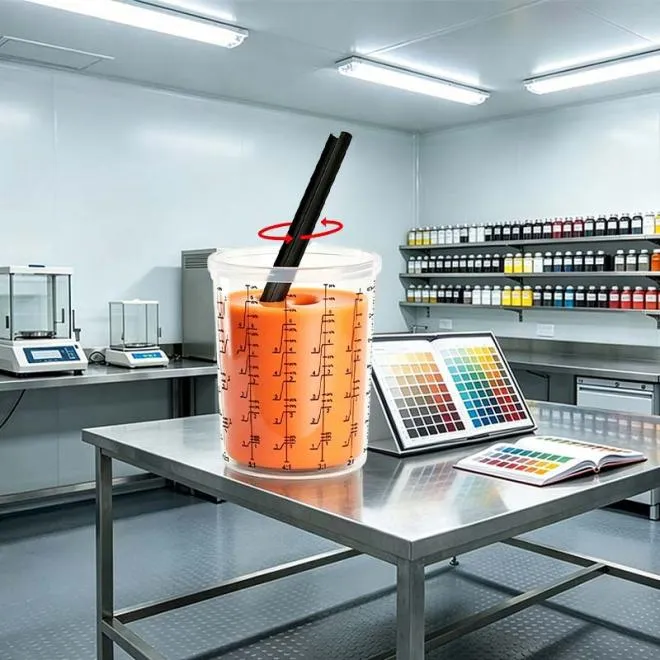
A good Paint Mixing Stick is therefore not just a plastic piece. It is part of process control. It helps the operator move material from the bottom to the top, reduce sediment buildup, maintain blending efficiency, and finish preparation faster with less fatigue. When multiplied across daily jobs, that small tool has a visible effect on consistency, labor time, and customer satisfaction.
What problems appear when the wrong mixing stick is used
Buyers usually start paying attention only after a problem shows up. From what I see in real purchasing scenarios, the same complaints appear again and again:
- The stick bends too easily when mixing thicker coatings
- The bottom of the cup is difficult to reach properly
- Pigments and metallic particles are not lifted evenly
- The operator wastes time stirring longer than expected
- Cheap material cracks, deforms, or reacts poorly to solvents
- The grip feels awkward during repetitive workshop use
- The same stick does not suit both small and large cup volumes
These issues may seem small in isolation, but together they create a chain reaction. Slower prep leads to lower throughput. Poor uniformity leads to inconsistent finish. Rework raises material cost. Frustration increases for technicians who need the process to be smooth and predictable. In a busy paint shop, that kind of hidden inefficiency adds up quickly.
This is why I prefer to judge a Paint Mixing Stick not by price alone, but by whether it solves actual workshop pain points. A reliable product should support stable mixing, feel comfortable in hand, and match the cup sizes people are already using.
Typical buyer pain points
- Wanting faster mixing without sacrificing uniformity
- Needing one supplier that can support steady volume orders
- Looking for stronger PP material that stays practical in daily use
- Trying to reduce customer complaints caused by uneven paint preparation
- Wanting clear size matching for different cup capacities
Which features should buyers compare before ordering
When I evaluate a Paint Mixing Stick, I usually focus on a few practical points rather than generic sales language. Those points reveal whether the product will work well in real applications.
| Feature | Why It Matters | What Buyers Should Look For |
|---|---|---|
| Material | Determines rigidity, durability, and resistance during daily use | Stable PP material with dependable structure and clean finish |
| Shape Design | Affects circulation, lifting of settled material, and mixing speed | A profile that encourages better movement through the liquid rather than simple flat stirring |
| Length | Must match cup depth and volume to avoid incomplete mixing | Options for both standard and larger-capacity mixing cups |
| Handle Comfort | Important for repetitive shop work and lower hand fatigue | Easy grip, balanced feel, no sharp discomfort in use |
| Edge Function | Can improve scraping and material gathering from cup walls | Practical edge design that supports cleaner mixing |
| Consistency in Production | Matters for distributors, importers, and repeat orders | Stable manufacturing, scalable supply, and repeatable product quality |
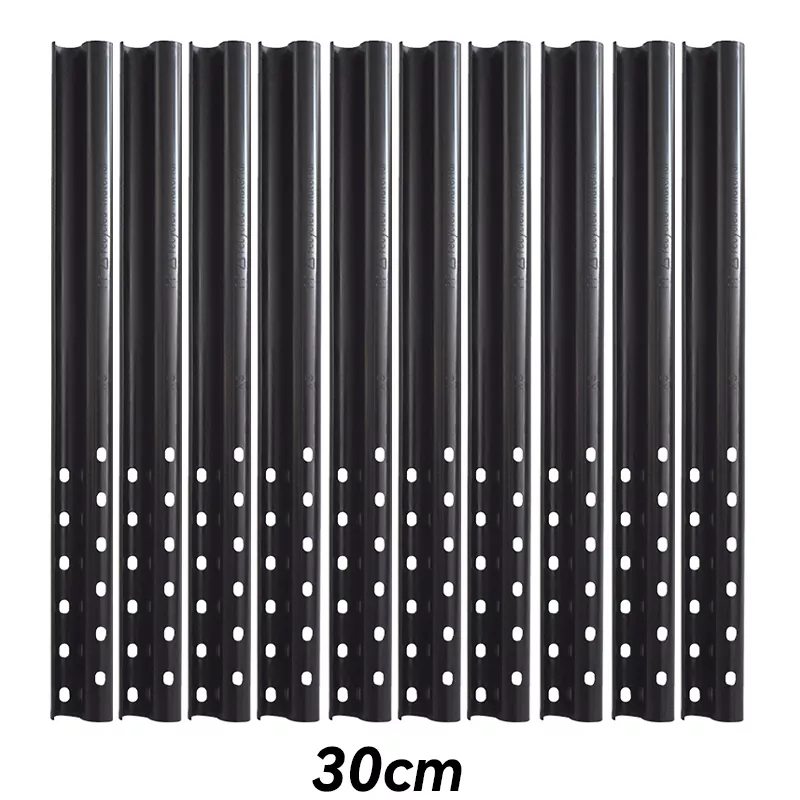
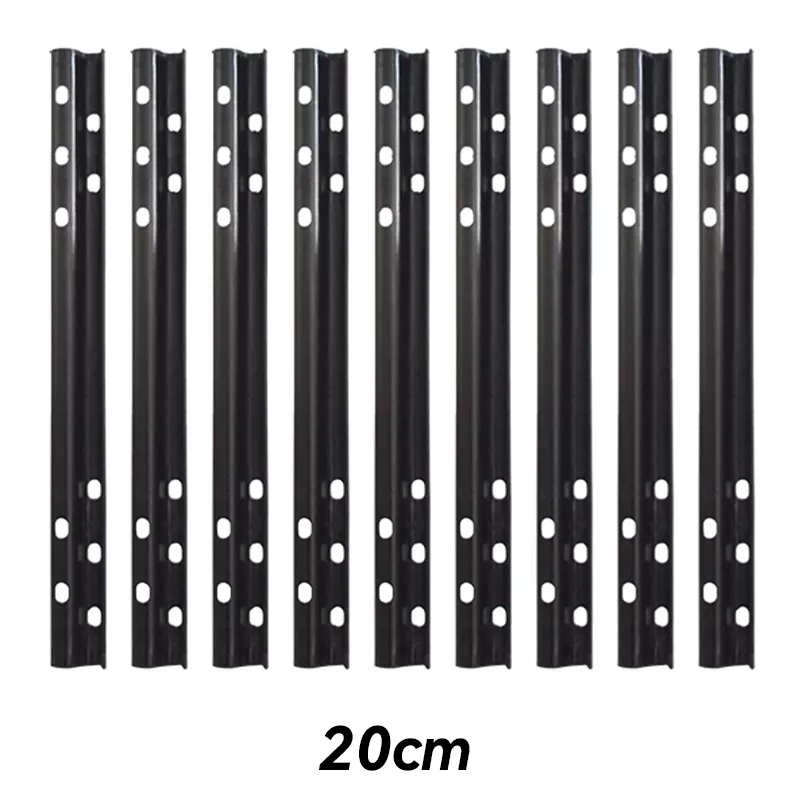
On the product side, Qingdao Aspaint Technology Co., Ltd. presents this category as a PP-based mixing tool with different length options for different cup capacities, which is the right direction for buyers who want a more application-based choice instead of a one-size-fits-all approach. That matters because mixing performance depends heavily on how the stick interacts with the actual paint volume being prepared. A short stick in a deep cup is inconvenient. An oversized one in a small cup can be clumsy. Matching tool size to usage is far more important than many catalogs admit.
How should different cup sizes and coatings affect selection
Not every coating job needs the same stirring tool. If I am helping a buyer choose a Paint Mixing Stick, I first ask two simple questions: what cup size will it be used with, and what kind of paint is being mixed?
For smaller mixing volumes, a shorter stick is usually easier to control and less wasteful in motion. For larger-capacity cups, the operator needs more reach and better leverage. This becomes even more important when the material has heavier pigment loading or noticeable sediment at the bottom.
| Use Scenario | What the Operator Needs | Recommended Selection Logic |
|---|---|---|
| Automotive refinishing | Fast, uniform mixing with reliable pigment circulation | Choose a stick length that matches common shop cup sizes and allows steady bottom-to-top blending |
| Architectural paint preparation | Simple, efficient mixing for repeated color work | Use a durable stick that handles larger daily volume without discomfort |
| Furniture coating | Stable finish preparation with fewer inconsistencies | Prioritize structure, rigidity, and smooth handling |
| DIY or repair use | Easy operation and dependable results | Choose a practical stick that remains easy to control for non-specialist users |
This is why size options matter. A supplier that offers more than one common length is usually more useful to the market than a supplier pushing only one standard piece. Buyers working with multiple cup types or multiple customer groups should think in terms of workflow compatibility rather than unit cost alone.
What is the difference between a professional stick and an ordinary stirrer
It is tempting to assume that any rod-shaped tool can stir paint. In the loosest sense, that is true. But there is a clear difference between merely moving liquid and mixing it well. A basic, flat, low-strength stirrer may be enough for casual use, yet it often becomes inefficient in professional environments.
| Point of Comparison | Ordinary Stirrer | Professional Paint Mixing Stick |
|---|---|---|
| Mixing Efficiency | Often slower and less controlled | Built to improve circulation and reduce dead zones |
| Bottom Sediment Handling | May miss dense material at the base | Better at lifting and redistributing settled content |
| User Comfort | Basic handling, limited ergonomic thought | More suitable for repeated workshop use |
| Structural Strength | May bend or feel unstable | Usually more dependable in daily operation |
| Commercial Value | Low differentiation | Easier to position as a reliable workshop accessory |
For distributors and wholesalers, this difference matters commercially as well. A better Paint Mixing Stick is easier to sell when customers can feel the improvement in use. It supports repeat orders because the end user notices that it saves time, feels sturdier, and fits the application better.
How can buyers make a safer purchasing decision
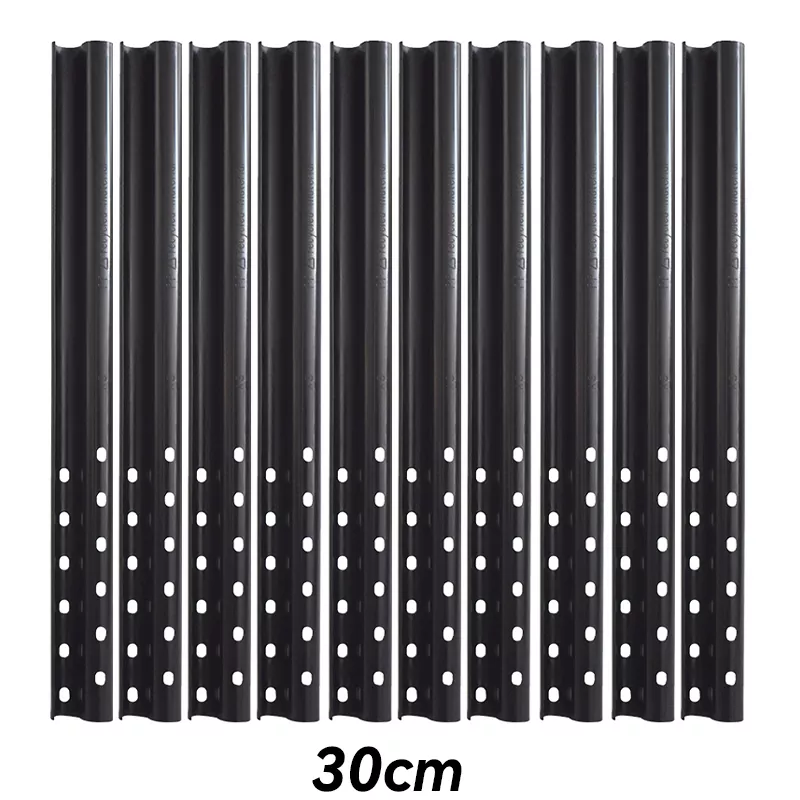
If I were sourcing this product for resale or workshop use, I would avoid making the decision from a product photo alone. A safer buying process looks more like this:
- Confirm the material and intended use environment
- Check whether multiple lengths are available for different cup capacities
- Ask how the structure improves real mixing instead of accepting vague claims
- Review production consistency and supply stability for repeat orders
- Request samples when possible, especially if the product will be sold under distribution channels
- Compare the supplier’s understanding of workshop use rather than just their quotation
I also like suppliers that understand the wider paint preparation system. Buyers often need more than one item, including cups, lids, filters, and compatible accessories. A supplier with broader experience in paint preparation tools can usually offer more practical support and better matching recommendations. That is one reason companies such as Qingdao Aspaint Technology Co., Ltd. attract attention from buyers looking for a complete and more specialized product line rather than random commodity sourcing.
In the end, the right Paint Mixing Stick should do three things well: improve mixing reliability, reduce operator frustration, and fit naturally into the customer’s existing process. If a product cannot do that, it is not really helping the buyer, no matter how cheap it looks on paper.
FAQ
What makes a Paint Mixing Stick better than a simple flat stirrer
A better mixing stick is designed for more effective material movement, easier handling, and more consistent blending. It helps bring settled pigments back into circulation and supports a more uniform mix with less wasted effort.
Which Paint Mixing Stick length should I choose
The correct length depends on the size and depth of the cup you use most often. Smaller cups usually work better with a shorter stick, while larger-capacity cups need more reach and leverage for proper bottom-to-top mixing.
Can one Paint Mixing Stick work for every coating task
Not always. Different cup capacities, paint viscosities, and user habits can change what feels efficient. Buyers serving multiple applications often benefit from stocking more than one common size.
Why does material matter in a Paint Mixing Stick
Material affects rigidity, durability, handling comfort, and long-term practicality. A stable PP structure is widely preferred because it supports regular workshop use and offers a good balance of strength and usability.
Is this product only useful in automotive painting
No. It is also useful in architectural coating, furniture finishing, repair work, and many DIY applications. Any task that depends on better paint uniformity can benefit from a properly chosen mixing stick.
If you are looking for a dependable Paint Mixing Stick that supports smoother paint preparation, better consistency, and more practical day-to-day use, this is the right time to compare real options instead of settling for generic accessories. Qingdao Aspaint Technology Co., Ltd. can help you evaluate suitable sizes and matching paint preparation tools for your market. If you want product details, sample support, or wholesale discussion, please contact us and start the conversation with a solution that fits your actual workflow.
Related News
- How Does the 200ML Disposable Paint Cup System 1.0 Transform Automotive and Industrial Spray Painting Efficiency?
- Why the 400ML Disposable Paint Cup System 1.0 Is a Game‑Changer for Auto Refinishing?
- Why Is the 125mic Filter Mesh Paper Paint Strainer the Smart Choice for Efficient Paint Preparation?
- How Can a 1.0 Series Air Spray Gun Aluminum Thread Adapter Improve Spray Performance and Equipment Compatibility
- Why Is the 2.0 Series Air Spray Gun Stainless Steel Thread Adapter Essential for Achieving Professional Spray Finishing Results
- Is the 400ML Disposable Paint Cup System 2.0 the Smartest Choice for Modern Automotive and Industrial Painting
Leave me a message